Natural ingredients play a critical role in powering the cosmetics, nutraceutical, and personal care industries—but what happens before they reach your formulation tank is a complex journey. Understanding the botanical supply chain provides insight not only into the quality of your final product but also into the delicate global web of agriculture, extraction, and logistics.
The journey begins at the source, where botanicals are cultivated and harvested. These upstream activities require ideal climate conditions, skilled farming practices, and strict environmental management. Once harvested, the raw plant material is carefully processed—often through cold pressing, steam distillation, or solvent extraction—before being transported to manufacturers across the world.
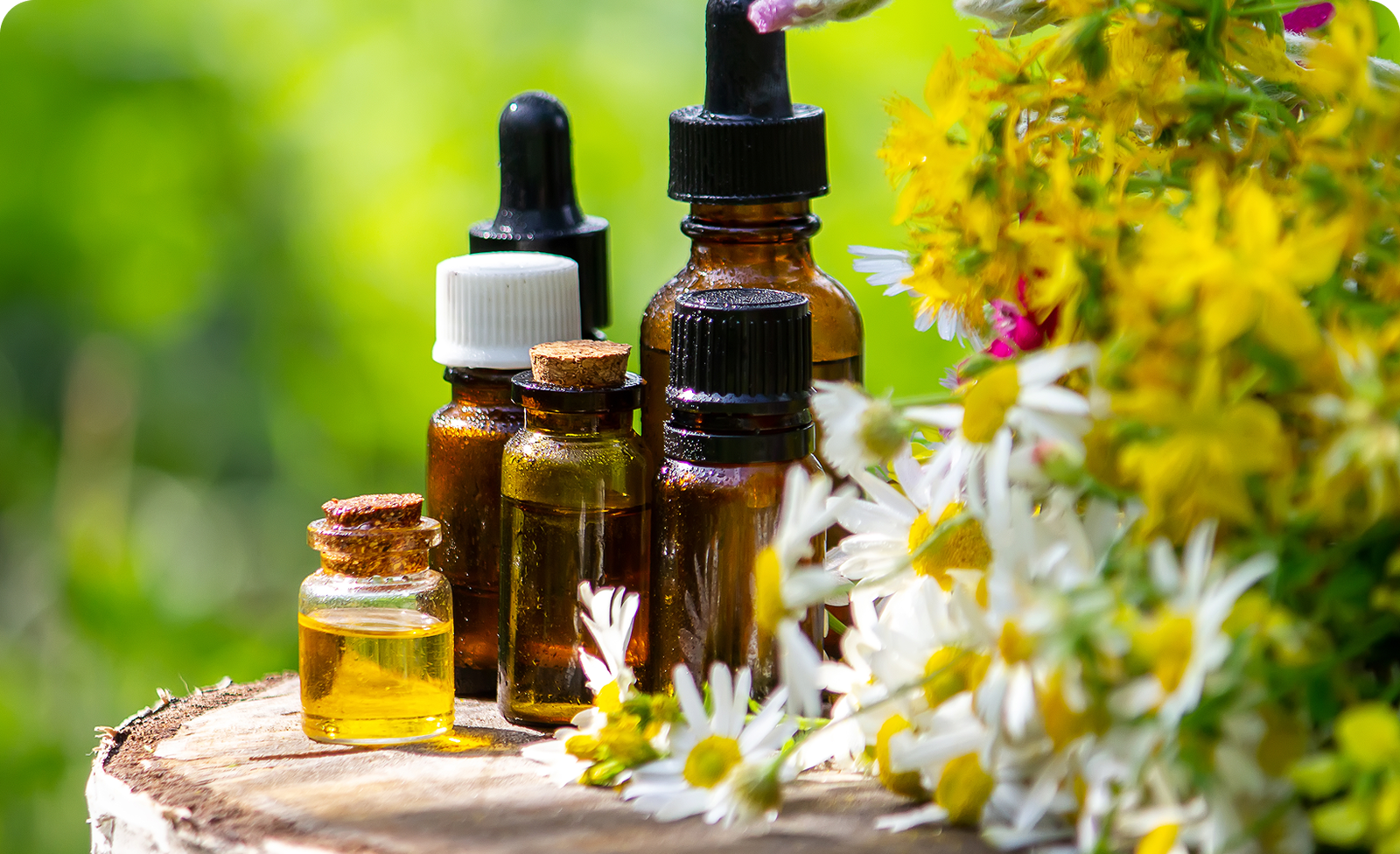
At the processing stage, raw botanicals are transformed into usable ingredients such as essential oils, carrier oils, butters, and extracts. This midstream segment of the supply chain is where rigorous testing and precision become crucial to maintaining potency.
Any shortcuts taken during this phase, whether due to poor extraction methods, synthetic adulteration, or improper storage, can ripple across your product line and negatively influence shelf-life and efficacy almost instantly.
For manufacturers, understanding and optimizing every link in the supply chain is essential. It’s not just about buying bulk materials—it’s about ensuring quality flows smoothly, responsibly, and sustainably from seed to consumer. In an era where clean beauty and environmental responsibility are more critical than ever, transparency in supply chains will define the leaders of tomorrow’s personal care landscape.
Our Personal Approach
Sourcing premium botanicals is a complex journey that spans continents and involves countless hands. Understanding this botanical supply chain provides insight not only into the industry itself but also into the global demand for pure, unadulterated wellness ingredients.
The journey begins at the farms, where botanicals are cultivated through ethical agriculture. These upstream activities require strict environmental management. Once extracted, the natural oils and butters are stored in climate-controlled facilities before being safely transported to facilities across the world.
Verify Certificates of Analysis (COA): Always demand detailed lab reports and GC/MS testing to confirm purity.
Understand the Extraction Method: Opt for cold-pressed or steam-distilled methods to ensure active compounds are preserved.
Check for Industry Certifications: Look for recognized badges like USDA Organic, GMP, and non-GMO project verified.
Prioritize Supply Chain Transparency: Partner with suppliers who can trace their ingredients back to the specific region of harvest.